
Bristol Criminal Court Cases
The Connecticut Judicial Branch keeps Bristol criminal case files through the Superior Court. Connecticut does not divide these matters between a city misdemeanor court and a separate county felony court. New Britain G.A. 15/Judicial District now handles the Bristol criminal and motor-vehicle docket. The clerk maintains docket identifiers, filed charges, scheduled appearances, pleas, motions, dispositions, sentences, and public documents.
This court file begins after police action but is not the police report. Bristol Police creates the incident and arrest paperwork. Prosecutors may then add, replace, consolidate, nolle, or dismiss counts. That is why wording in a blotter or arrest form may not match the final Bristol court outcome. The clerk's file is the best source for what was filed and how the case ended. For the broader record chain, the Bristol criminal records overview explains how police, court, and state-repository files differ.
Bristol Cases Moved Courts
Bristol's former G.A. 17 courthouse closed on August 30, 2019. Starting September 3, 2019, current Bristol matters moved to New Britain G.A. 15/Judicial District at 20 Franklin Square, New Britain, CT. The move explains a common search problem: the Judicial Branch portal still offers Bristol G.A. 17 as a historical-location filter, even though new local matters do not begin there.
Use the old location when tracing a Bristol case filed before the transfer. Use New Britain for a current case or a new court appearance. The official Connecticut courthouse directory is the right place to confirm the active location and current facility details before travel. The G.A. clerk line is (860) 515-5080, while the Judicial District main directory is (860) 515-5050. Court hours are generally 9 a.m. to 5 p.m., with doors at 8:30 a.m.; confirm the schedule first.
Searching Bristol Case Records
The free Criminal/Motor Vehicle Case Look-up is the first online channel. Exact identifiers work best because names can repeat and spelling can vary. The separate Daily Docket helps confirm scheduled court activity. When the web result is unclear, contact or visit the clerk. A state criminal-history report from DESPP/SPBI can connect identity-linked arrest and disposition data, but it does not replace motions, exhibits, transcripts, or the complete Bristol docket.
- Open the criminal and motor-vehicle lookup and choose the matching search route.
- Enter a last name and first name, or use the exact docket number when known.
- Review the court location, case status, charge, and dates before deciding it is the right case.
- Check the Daily Docket when the immediate question is a scheduled Bristol appearance.
- Ask the New Britain clerk for public documents, copies, certification details, or help with an absent entry.
| Search field | Type | Required | Use |
|---|---|---|---|
| Last name | Text | Yes for name route | Main party-name field |
| First name | Text | No | Narrows common surnames |
| Birth year | Number | No | Helps distinguish similar names |
| Docket number | Text | Yes for docket route | Most exact case identifier |
| Court location | Select | Route dependent | Use New Britain for current Bristol matters and G.A. 17 for older ones |
The Judicial Branch lookup screen is the official starting point for the Bristol name and docket fields described above.
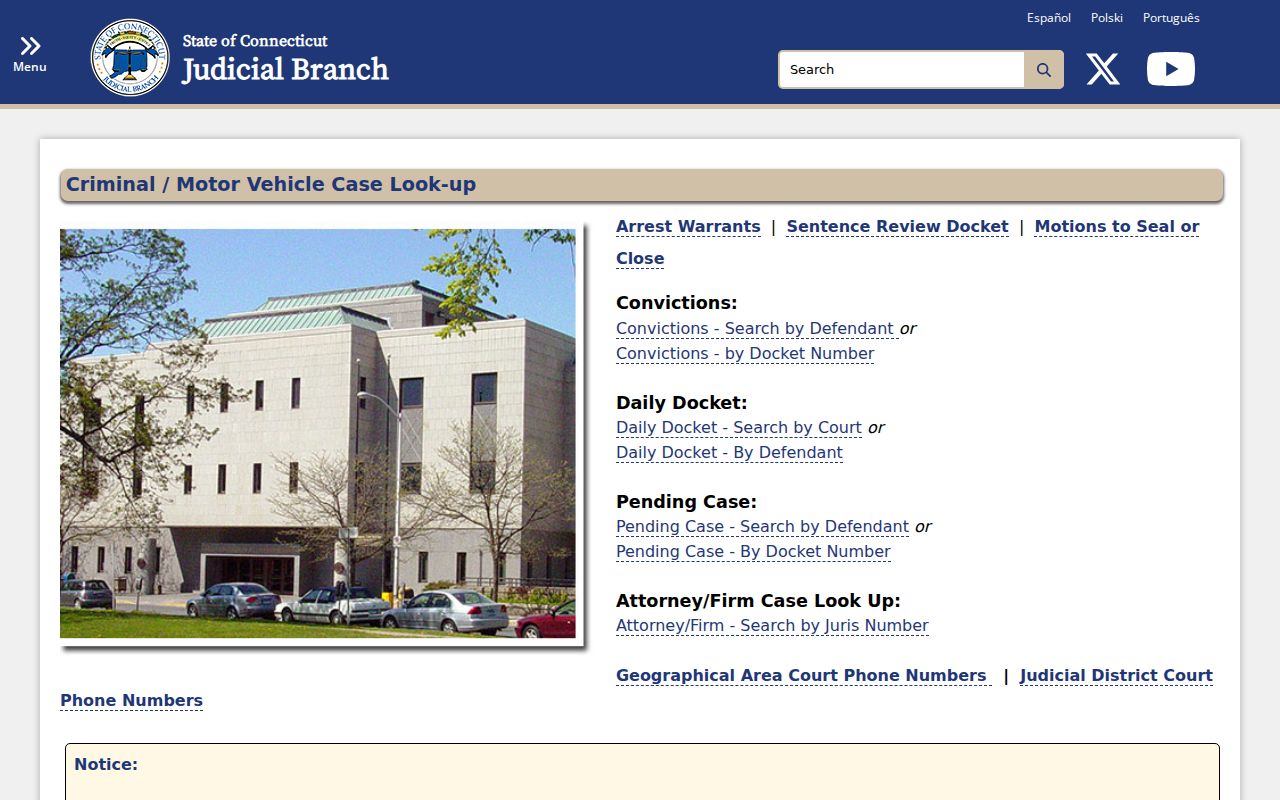
The search image connects those fields to the public state index, while the New Britain clerk remains the source for available file documents.
Bristol Online Docket Limits
A blank name result is not proof that no Bristol court record ever existed. The Judicial Branch warns that conviction information generally remains in the public online lookup for no more than ten years after sentencing, subject to the shorter display period in Practice Book §7-13. Erased matters, youthful-offender files, juvenile cases, sealed records, and other legally excluded information do not appear.
Try the exact docket number, alternate spellings, and the proper historic or current court location. Then contact the clerk if the case should be public but does not appear. A courthouse file can contain public material that is not downloadable from the summary screen. Conversely, the clerk cannot disclose a record that the law has erased or sealed. The portal is an index view governed by public-display rules, not an unrestricted archive.
See the Judicial Branch search notice for current scope and limitations. Its wording should control any decision about what a no-result screen means.
Inside a Bristol Case File
A Bristol criminal case file tracks the court proceeding rather than the full police investigation. Start with the header and docket number. Then follow each charge through the event list to its own disposition. Several counts from one arrest can end in different ways, so a single case-level label may not tell the whole story.
| Docket and court | The case number, assigned location, case type, status, and key dates. |
|---|---|
| Filed charges | Statute, description, count, class or severity, and offense or arrest date where displayed. |
| Docket events | Arraignments, pleas, continuances, motions, hearings, and public warrant or violation events. |
| Parties | The State of Connecticut, defendant, and counsel or prosecutor information when public. |
| Disposition | Guilty, not guilty, dismissal, nolle, or another count-specific outcome. |
| Sentence | Incarceration, suspended time, probation, fines, and other public orders. |
Victim and witness identifiers, full sensitive identifiers, protected reports, erased data, and sealed material can be redacted or absent. Ask the clerk whether a nonsealed document is available and what copy or certification charge applies.
Bristol Prosecution and Defense
A criminal docket can identify the state prosecutor and defense counsel involved in a Bristol matter. The Connecticut Division of Criminal Justice supplies the state's prosecution structure, while the Division of Public Defender Services explains the public-defense system. These offices have distinct roles; neither is the neutral custodian of the full Judicial Branch case file.
The official public-defender source also provides useful context for the defense side of a Bristol proceeding.
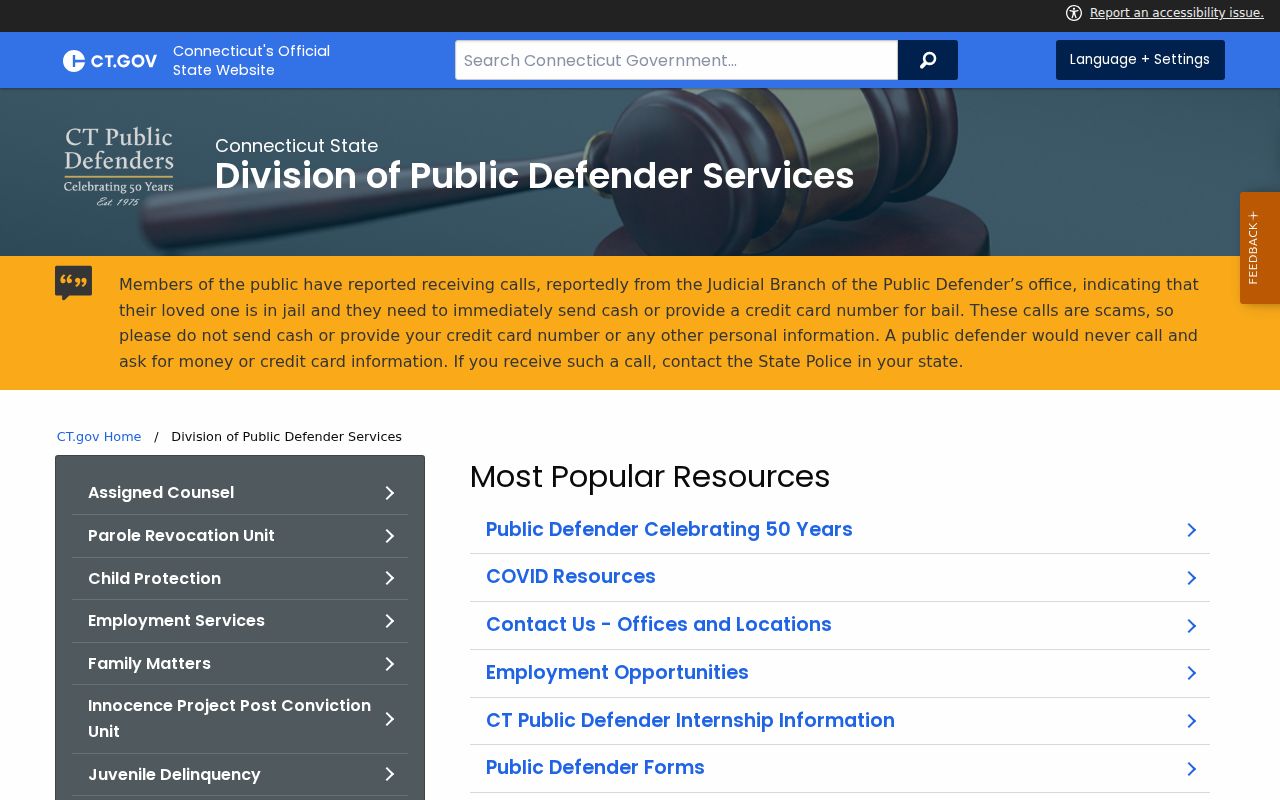
The image reinforces that counsel information belongs within a court process, while copies and docket verification remain clerk functions.
The state prosecution portal shows the other institutional side of the same case.
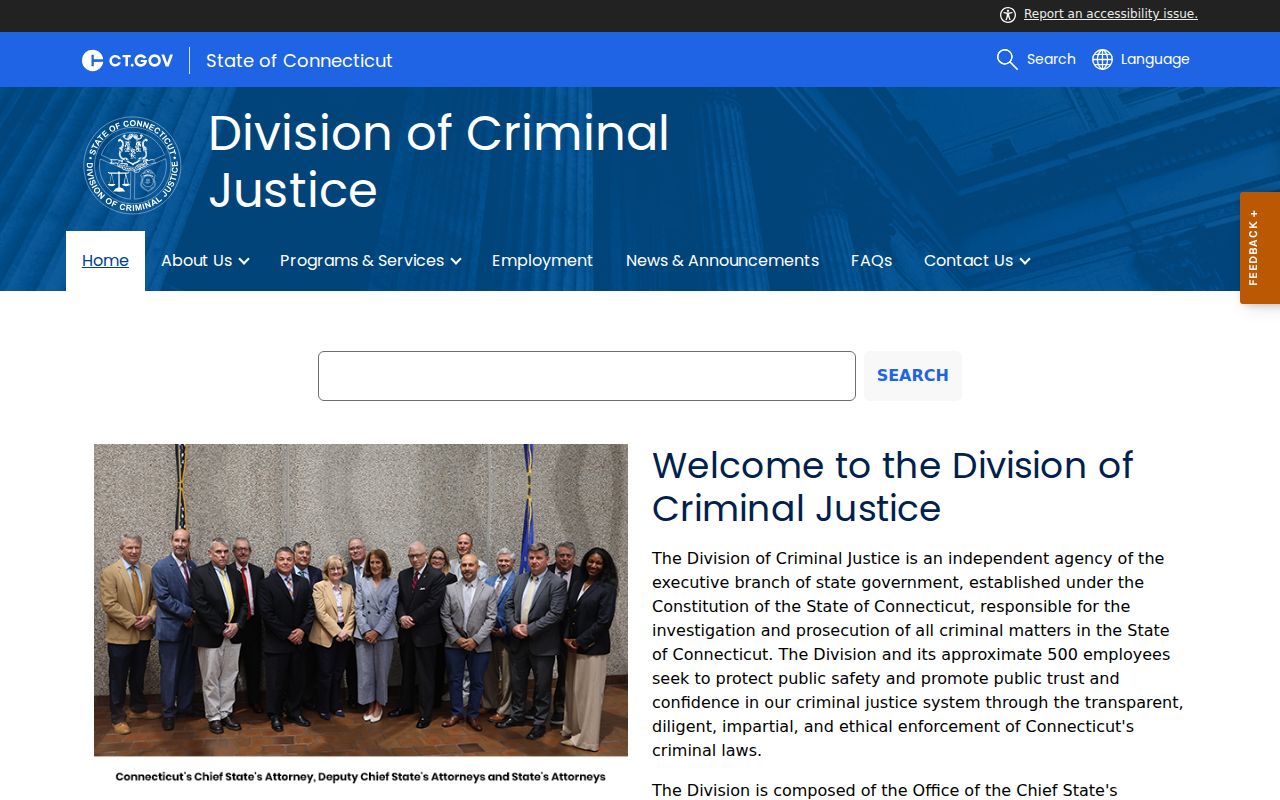
Together, these sources help readers distinguish party roles from the Judicial Branch's duty to maintain the public docket.
How a Criminal Case Moves
Police paperwork starts the local record trail, but the court file changes as the State of Connecticut acts on the charges. An arraignment places the matter before the court. Pretrial entries can show appearances, continuances, motions, negotiations, and hearings. A plea or trial leads toward a count-level disposition, and a guilty outcome can lead to sentencing.
Case flow: Charges Filed › Arraignment › Pretrial › Plea or Trial › Disposition › Sentencing
A nolle means the prosecutor declined to pursue a charge at that point; it is not a conviction. A dismissal also differs from an acquittal after trial. Connecticut erasure law can later affect public access to these outcomes. Read each charge and event in order instead of treating the arrest label as the final result.
Pending Bristol Arrest Reports
Bristol Police generally holds arrest-information reports until all charges are adjudicated. That local release rule can surprise someone who expects the police counter to supply a report while the case is still pending. The department directs counsel who needs an arrest report before court toward the clerk. The handoff does not mean the two offices keep identical records.
The Bristol Police file remains the agency report, subject to Connecticut FOIA exemptions and local review. The clerk keeps the court docket and public filed material. Call the clerk to identify what is available in the active Bristol case. For the police record after adjudication, use the Bristol Records Division process. Report facts are not released by phone, though staff can explain readiness and procedure.
Bristol Federal Criminal Cases
Federal charges arising from Bristol do not appear as state Superior Court prosecutions. They are filed in the U.S. District Court for the District of Connecticut. The official PACER system searches federal matters by party name or case number and can show the case number, parties, counsel, judge, status, docket entries, and document links. Registration is required, and the federal judiciary fee schedule applies. Sealed material stays unavailable.
The federal court site gives the correct court-level starting point for a Bristol federal matter.
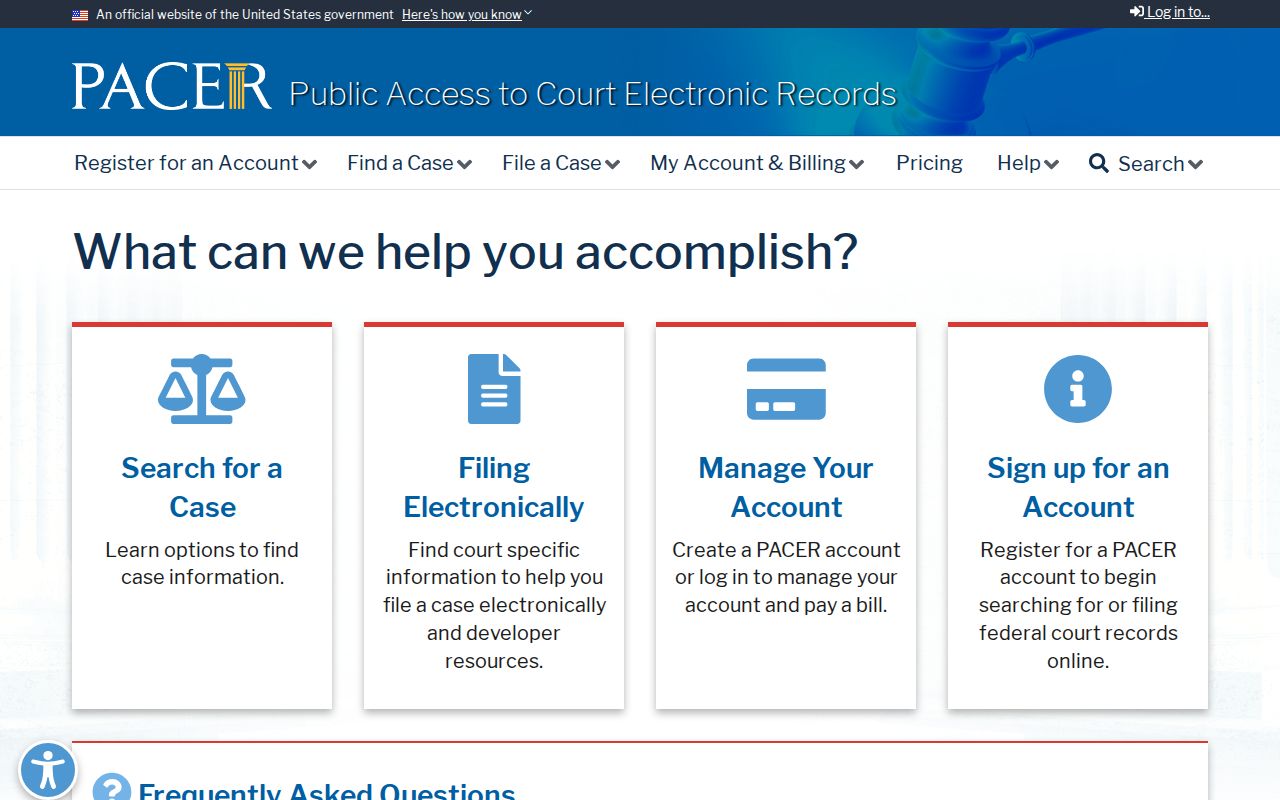
This federal layer should not be mixed with the New Britain Superior Court docket or a Bristol Police incident report.
Case Record Access and Restrictions
Connecticut law favors access to public government records, but court files follow Judicial Branch access rules rather than a request sent to Bristol's municipal FOIA officer. Public docket details and nonsealed file documents may be inspected or copied through the clerk. Juvenile, youthful-offender, erased, sealed, victim, witness, and sensitive identifying material can be withheld or redacted.
Under CGS §54-142k, public conviction information is treated differently from restricted nonconviction information. CGS §54-142a governs erasure after qualifying dismissals, acquittals, nolles, and eligible Clean Slate convictions. CGS §54-142c limits disclosure of erased records. These rules explain why a historical Bristol matter may disappear from ordinary public view even when an old private reference still exists.
Read a no-result screen narrowly: it means the submitted query found no matching case in the current public display, not that no record ever existed.
If a disposition is missing from one's own SPBI history, obtain a certified court disposition and ask SPBI and the contributing agency to review the arrest cycle. That correction route addresses reporting gaps without assuming the public portal itself is the master record.