
Checking Criminal History in Bristol
Bristol criminal record searches work best in layers. Each layer answers a distinct question, and none is a universal city database. The official Bristol Police Records Division is the direct source for a local report or a Bristol-only check. The Judicial Branch search follows a charge into court. DESPP’s State Police Bureau of Identification, or SPBI, supplies the statewide repository product for a person reviewing an official history.
- Check the Bristol Police arrest blotter when the issue is a recent local arrest notice.
- Request the incident or arrest record from Bristol Police when the underlying report is needed.
- Search both current New Britain and historical Bristol court locations in the Judicial Branch case lookup.
- Use the Connecticut DOC locator only for sentenced state custody, not a fresh local arrest.
- Order an SPBI record for a statewide, identity-based self-review.
Searches for a full court outcome belong in the criminal court case file. A police blotter says an arrest was reported. It does not settle guilt, the final charge, or the result.
Bristol Police Records Counter
Bristol’s local counter is at 131 North Main Street, Bristol, CT 06010. The Records Division line is (860) 584-3061, and the records commander is reached at (860) 584-3060. Hours are Monday through Thursday, 8:00 a.m. to 4:15 p.m., and Friday, 8:00 a.m. to 1:15 p.m. Holidays are excluded. The early Friday close matters when a reader plans to show identification, pay for copies, or collect a report.
Bristol Police Records Division
131 North Main Street
Bristol, CT 06010
(860) 584-3061
Mon-Thu 8:00-4:15; Fri 8:00-1:15
Staff advise callers to check before pickup. Three working days is a general readiness target, not a promise that every Bristol record is releasable. Report facts are not given by phone. The call is useful for confirming status, the amount due, and the right request channel.
Bring valid government photo identification for a Bristol-only check. For a report pickup, have the incident number and the payment method confirmed by staff. The counter may release a complete record, a redacted copy, or no copy when a statutory restriction applies. Juvenile incidents, medical reports, statements, sexual-assault material, and uncorroborated allegations are among the protected categories identified in the city guidance. A pending arrest-information report also follows a different timeline: Bristol Police holds it until all charges are adjudicated. Counsel seeking that material before court can contact the New Britain clerk under the department's published direction.
Bristol Police Department Records
Bristol Police creates the city incident number, report, arrest paperwork, and fingerprints when they apply. Its Records Division handles in-person and mail requests, but not fax requests. Ordinary copies cost $0.50 per side. A credit-card payment adds 2.95 percent, and the city may require prepayment when estimated charges exceed $50. Video charges follow Connecticut General Statutes §1-212(b)(1).
The official Bristol Police page shows the department and its local role.
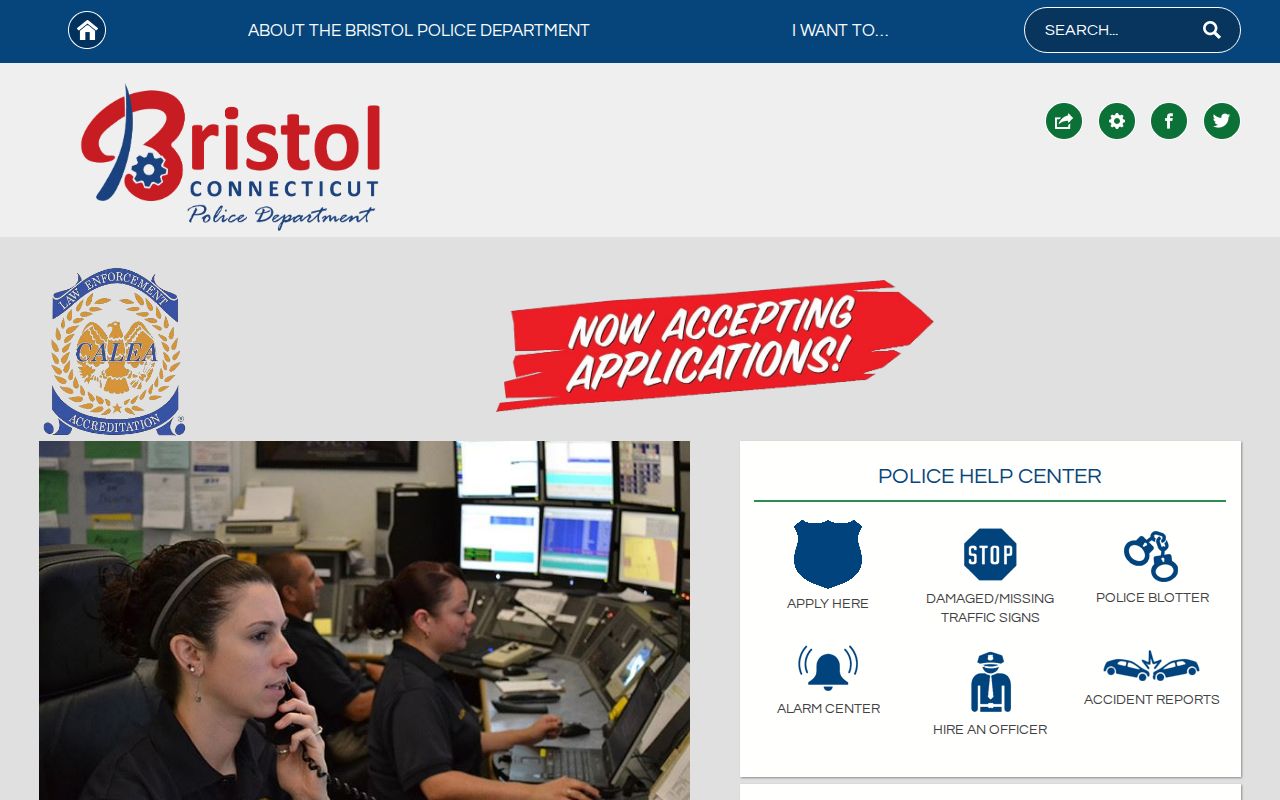
The image points to the municipal agency that creates Bristol police records, rather than a fictional county sheriff’s office.
Mailing a Bristol Police Request
A mailed request needs enough detail for Records staff to locate the right Bristol file. Include the incident number when known, a clear description, a self-addressed stamped envelope, and the correct prepaid amount. The official FOIA form also asks for requester contact details, the date, time, and location of the incident, involved parties, the requested material, and the preferred response method.
| Item | Why Bristol Needs It |
|---|---|
| Incident number | Links the request to the local police file |
| Event details | Helps locate a record when the number is unknown |
| SASE | Supports return delivery by mail |
| Prepaid fee | Covers the expected copy charge |
Bristol’s form says the department will acknowledge receipt within four business days. That is not a four-day production deadline. Review, redaction, and the status of a case can change the time needed.
Bristol Arrests and Bookings
The Bristol Police arrest blotter is an official date index. It can show arrest notices and days marked with no arrests, but it offers no person-name search or export tool. It should not be treated as a conviction list. A person may face amended charges, a dismissal, a nolle, an acquittal, or a conviction after the police entry was made.
Connecticut has no Hartford County sheriff jail roster. A fresh Bristol arrest should be traced through Bristol Police and the court. The Connecticut DOC Offender Information Search serves sentenced state custody. It does not replace local intake information, and an absent DOC result says little about a recent Bristol arrest.
Reading Bristol Arrest Blotters
The safest way to use the blotter is to note the publication date and basic event data, then seek the matching court docket. Never infer a city trend from a few daily entries. The city’s annual reports, DESPP Crime in Connecticut series, and FBI Crime Data Explorer define measures and time periods more carefully.
The FBI Crime Data Explorer provides an official agency-level path for Bristol crime data.
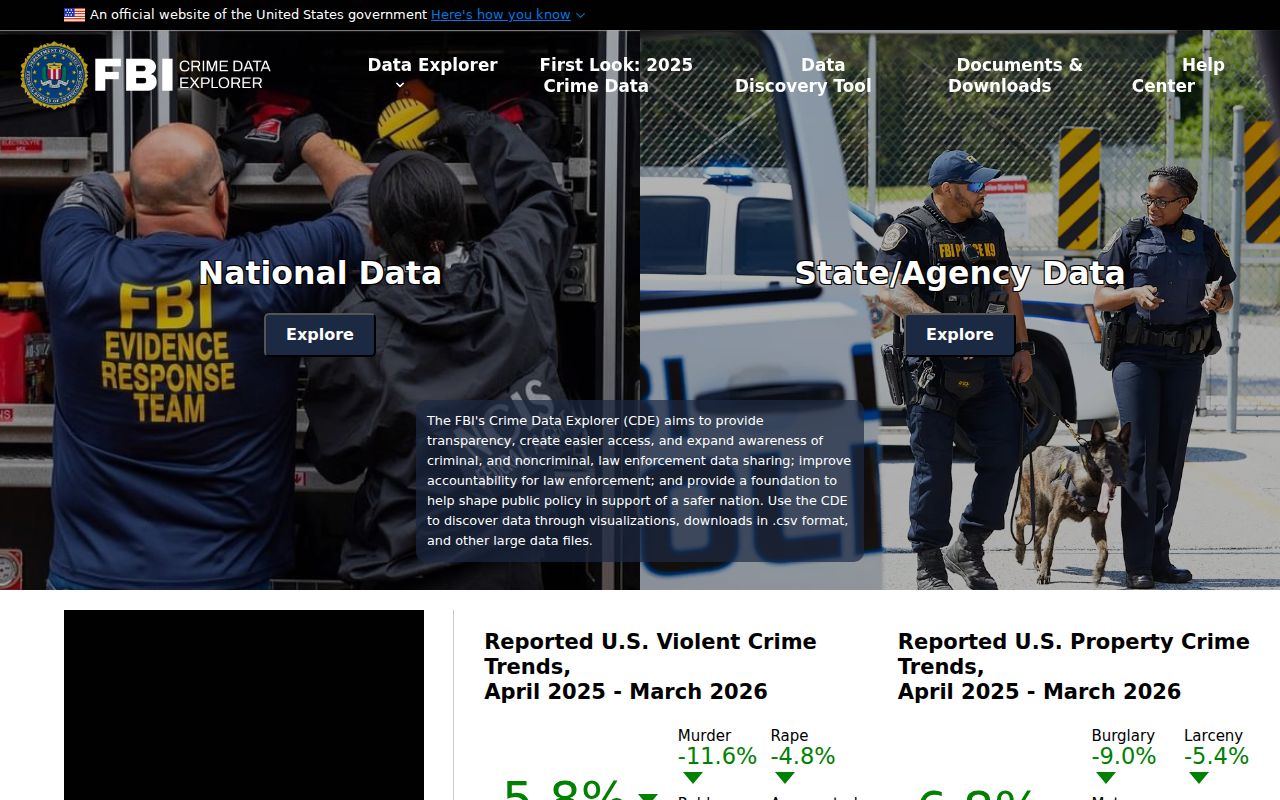
That source helps separate reported incidents, offenses, and arrests, which are not interchangeable counts.
Bristol Cases Move to New Britain
Bristol has no municipal criminal court. Current criminal and motor-vehicle cases route to Connecticut Superior Court at New Britain G.A. 15/Judicial District, 20 Franklin Square, New Britain. The G.A. clerk number is (860) 515-5080; the main Judicial District directory number is (860) 515-5050. The former Bristol G.A. 17 courthouse closed on August 30, 2019, and the transfer took effect September 3, 2019.
This history creates a real search trap. The Judicial Branch portal still offers “Bristol GA17” for old cases, while current Bristol filings use New Britain. Search both locations when an event may straddle the change. A missing result from one filter is not proof that no case exists.
The handoff also defines which counter can answer a question. Bristol Police can discuss its own release process and identify the local incident number. Court staff can locate a docket, supply disclosable documents, and explain the clerk’s copy procedure. Neither counter should be asked to certify the other office’s record. Bringing the police incident number, court docket number, exact name spelling, and an approximate date makes each Bristol inquiry more precise.
Bristol Criminal Court Records
Connecticut, not Bristol city, operates the court. The online Criminal/Motor Vehicle Case Look-up can be searched by defendant or docket number. Name searches use last name, optional first initial and birth year, court location, and case type. The system splits pending matters from convictions, so a query in one part does not cover the other.
| Court | Connecticut Superior Court, New Britain G.A. 15/Judicial District |
|---|---|
| City court | No Bristol municipal criminal court |
| Historical filter | Bristol G.A. 17 for older matters |
| Online fields | Name, birth year, docket, location, and case type |
| Documents | Request disclosable papers from the clerk; they are not posted online |
Public web coverage has limits. Erased, juvenile, youthful-offender, sealed, and much nonconviction material does not appear. Conviction information also has display rules that differ from the lifetime scope of a fingerprint-supported repository record.
Bristol’s Ten-Dollar Local Check
A person may obtain a Bristol-only criminal record check in person at Police Records with valid government photo identification and a $10 fee. Its virtue is local focus. Its limit is the same: it is not an SPBI statewide history and not an FBI identity-history summary.
For a stronger self-review, CCHRS pre-enrollment leads into the SPBI fingerprint process. SPBI publishes a $75 state history fee and a $15 state fingerprint collection fee. Follow current state instructions because electronic LiveScan, ink cards, service codes, and mailing steps depend on the request.
The Bristol Police records and fingerprint FAQ helps readers confirm local procedure.
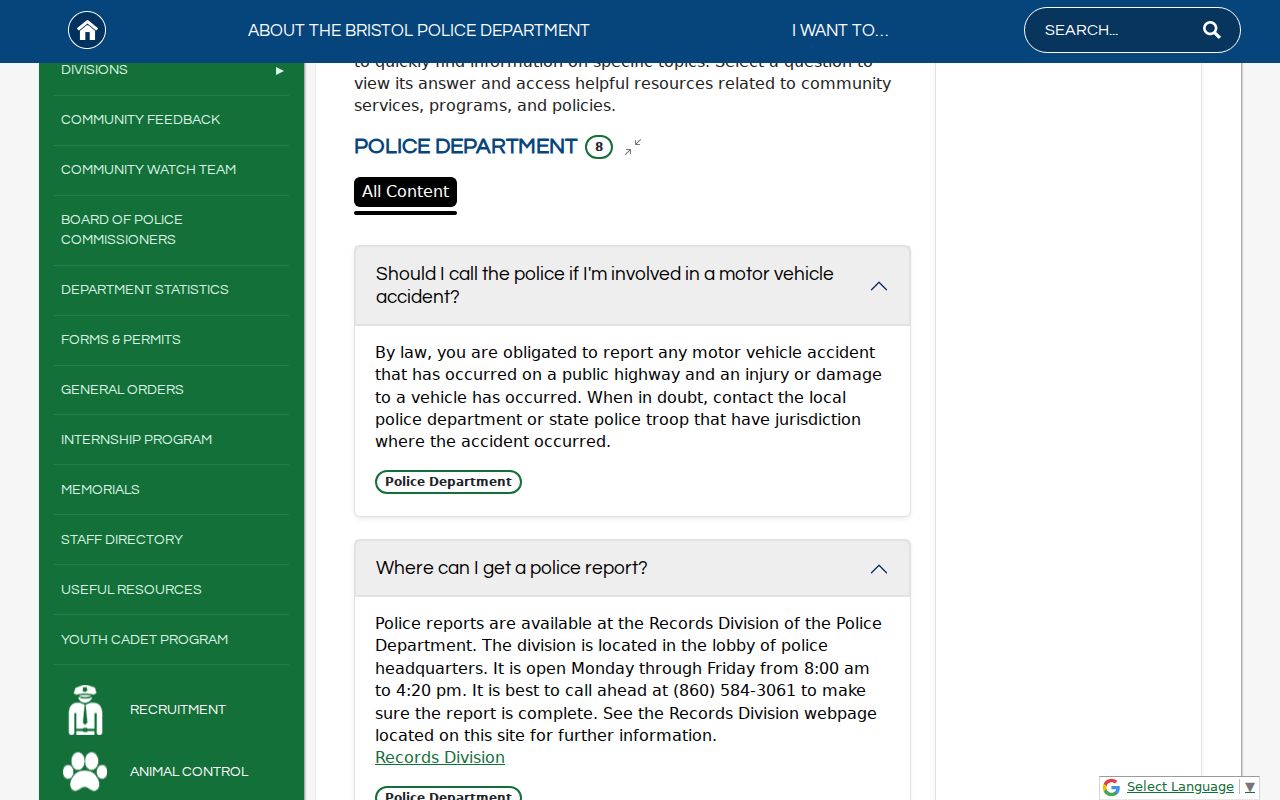
The local instructions should be checked before arriving because Bristol’s schedule can differ from SPBI’s appointment process.
Where Bristol Records Go
A Bristol arrest begins with police paperwork and, when applicable, fingerprints. The Superior Court then creates its own docket with charges, appearances, pleas, disposition, and sentence. Police and court agencies report qualifying data into SPBI’s statewide criminal-history system.
Record flow: Bristol Police › New Britain Superior Court › Connecticut DESPP State Police Bureau of Identification
A recent Bristol event may appear first in police material. The court file becomes the best source for the prosecution and outcome. The repository report joins reported arrest and disposition cycles to identity, but reporting or erasure updates can lag. Careful self-review compares all three.
Differences should be resolved with documents, not guesses. If a Bristol police charge differs from the final court wording, obtain the court disposition. If SPBI shows no disposition after the case ended, use certified court proof when asking the repository to review the cycle. An erased matter may lawfully disappear from public channels. That absence is different from a search failure, so a reader should respect the access rule instead of trying to reconstruct protected material.
Bristol Records in City Context
Bristol had 60,833 residents in the 2020 Census. The city grew from a clockmaking and precision-manufacturing center, and its seal still carries clock hands. That local story also helps explain why older searches point to a former combined police and court complex while current court records sit in New Britain.
The City of Bristol website is the official municipal starting point.
City pages lead to Bristol departments, but state court and repository records remain with Connecticut agencies.
The Census QuickFacts profile supplies official population context.
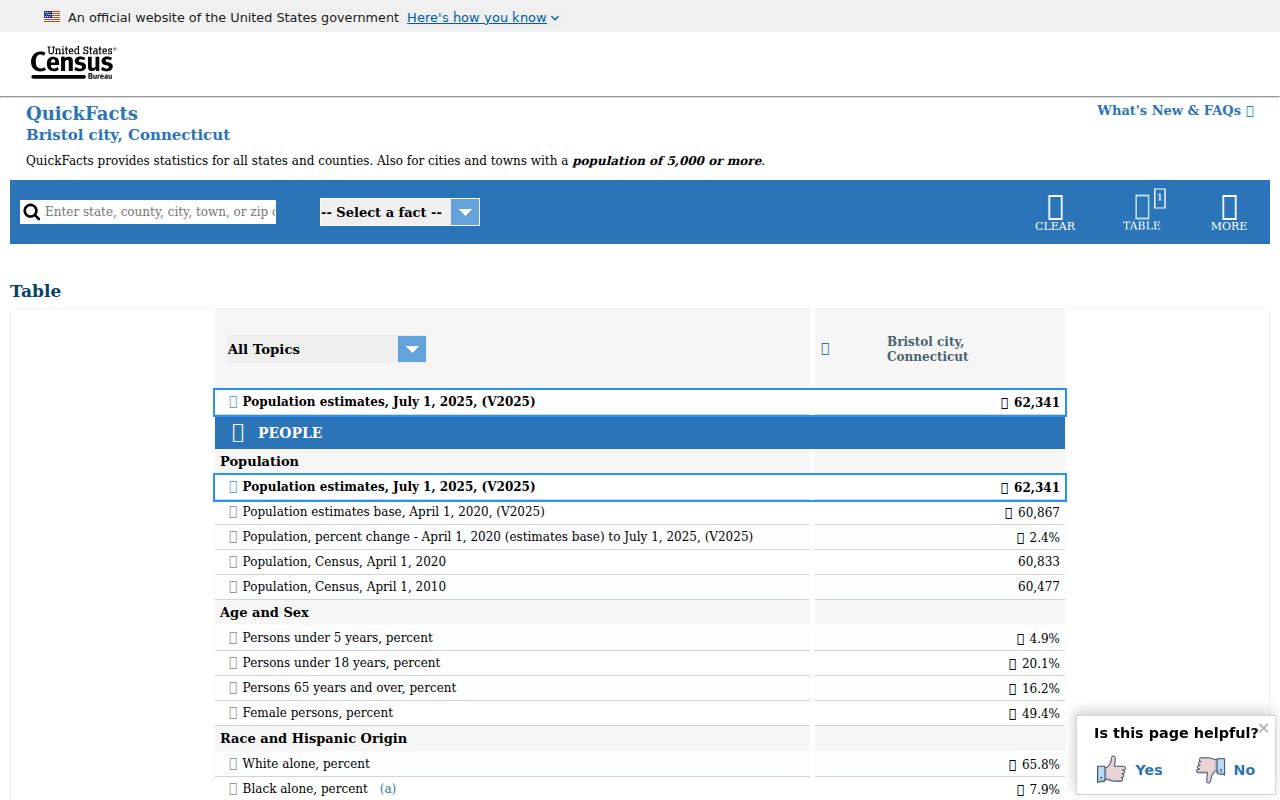
Population figures describe the city served by these offices; they should never be used to infer criminal conduct.
Public Access Rules in Bristol
Connecticut FOIA governs Bristol Police access, while Judicial Branch procedures govern court files. Public status does not mean every line must be released. Juvenile material, protected victim and witness data, medical records, uncorroborated allegations, active-investigation details, sealed files, and erased records may be withheld or redacted.
Key statutes:
CGS §§1-210 and 1-212 create the inspection and copy framework, subject to exemptions and fee rules.
CGS §1-215 defines the public record of arrest and permits narrow redactions.
CGS §§54-142a and 54-142c govern erasure and bar ordinary disclosure of erased records.
A denied municipal request can be taken through the Connecticut Freedom of Information Commission process. A court-record issue goes through the Judicial Branch, not Bristol’s FOIA officer.
Ask the custodian to identify the basis for a denial or redaction. That answer helps distinguish a Bristol executive-branch disclosure dispute from a court-access issue or a record already erased by law. The minimum public arrest account under §1-215 does not open every investigative attachment. Likewise, an online docket entry does not promise access to protected victim data or a sealed document. When a record concerns your own history and appears wrong, obtain the actual police, court, or SPBI product and use the contributing agency's correction route. Comparing dated official documents is more reliable than trying to rebuild a protected file from search fragments.